Find your place
Immersive vacation types in the U.S. and Canada
Compare mountain, national park, northern-light, lakeside, cultural, and restful vacations in the U.S. and Canada by pace and the planning each needs.
Choose a vacation type by the day you want to repeat, then find the North American place that supports it. Our current focus is the United States and Canada: mountain lakes, national parks, northern skies, and local life. Compare the pace and practical decisions before comparing hotels. These are planning ideas, not currently bookable packages or firsthand destination reviews.
Compare the daily rhythm and the first decision
Start with two priorities, such as quiet and scenery or food and cultural discovery. Use this comparison to narrow the styles before researching properties. A luxurious trip is personal: for one traveler it is privacy and a single base; for another it is a carefully chosen guide and effortless transfers.
Swipe to compare →
| Vacation style | Best fit when you want… | Decide first |
|---|---|---|
| Mountain lakes | Scenery and walks from a comfortable base | Season, lake transport, and the effort of each outing |
| National parks | Time to understand a distinctive landscape | Region, entrance, overnight base, and current access |
| Northern skies | Evening viewing and unhurried mornings | Season, warm clothing, transport, and weather flexibility |
| Lakeside days | Time by the water and fewer changes of base | The actual shoreline experience and activity meeting point |
| Local culture | Learning through willing hosts, places, and food | One meaningful experience and respectful participation |
| Restful stays | Quiet, comfort, and a lighter schedule | The daily routine rather than a wellness label |
Mountain lakes: match the scenery to the effort
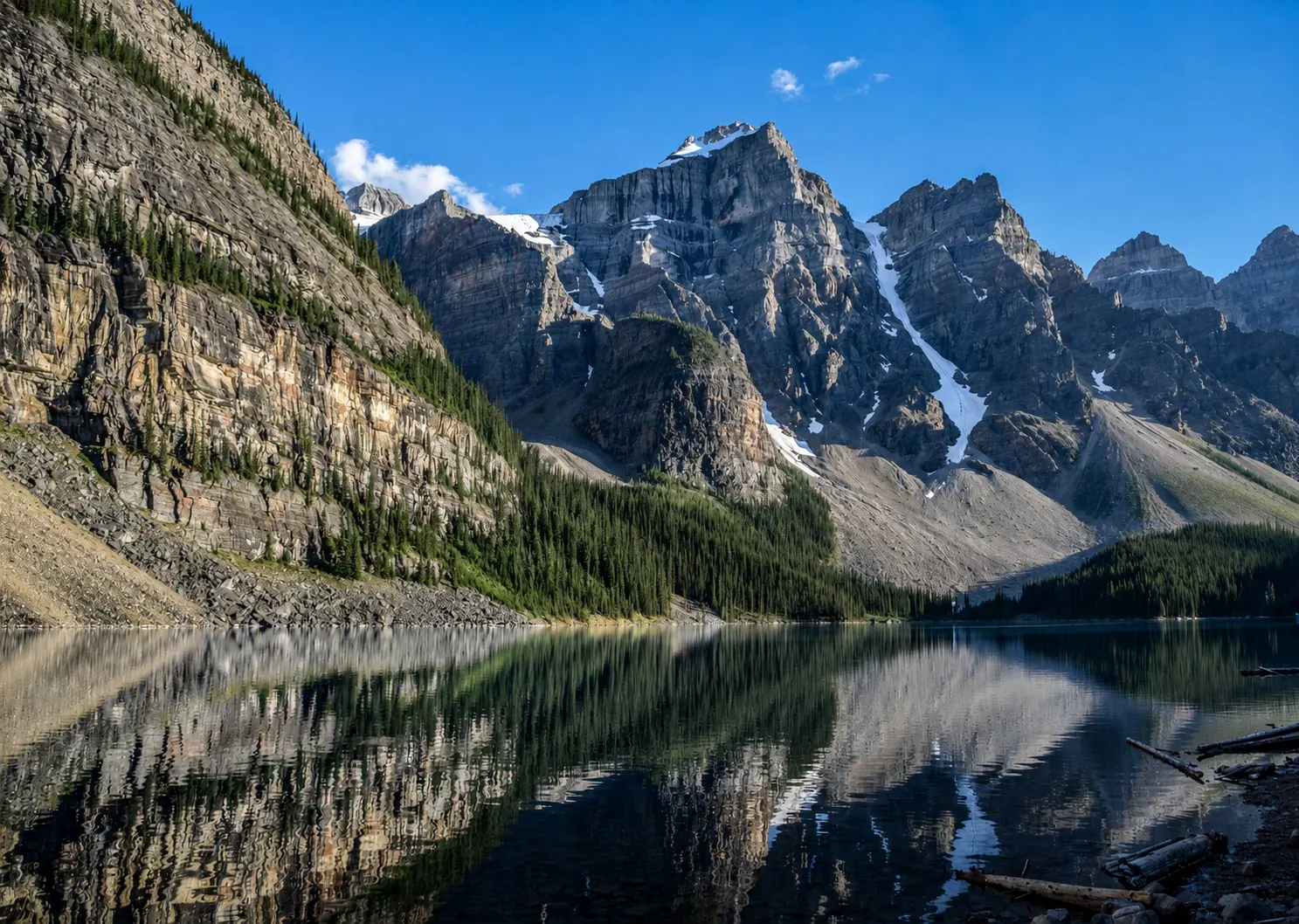
Banff illustrates the appeal of mountains and water. Decide whether the trip is about scenic pauses, gentle walks, or more demanding days before choosing a base. A mountain view does not tell you whether the specific route suits your party. Lake access and your daily return journey belong in the plan from the start.
Ask what transport, access, equipment, and guidance the chosen outing requires. Keep an alternative that still feels like the holiday you wanted if the outdoor plan changes. Spend for the convenience you will use: location, a suitable guide, or comfortable recovery time.
Local culture: make room for context
Yellowknife offers a starting point for a trip that includes local life as well as landscape. Choose one experience that deserves time and context, rather than a list of photo stops. Ask a willing local host what they offer, what visitors should understand, and how the experience fits your group.
For Indigenous-led experiences, let the host define what is shared and how visitors participate. Ask before photographing people, follow local guidance, and leave room to listen. A locally appropriate pace and respectful behavior are part of the trip design.
National parks: choose a landscape, then a workable route
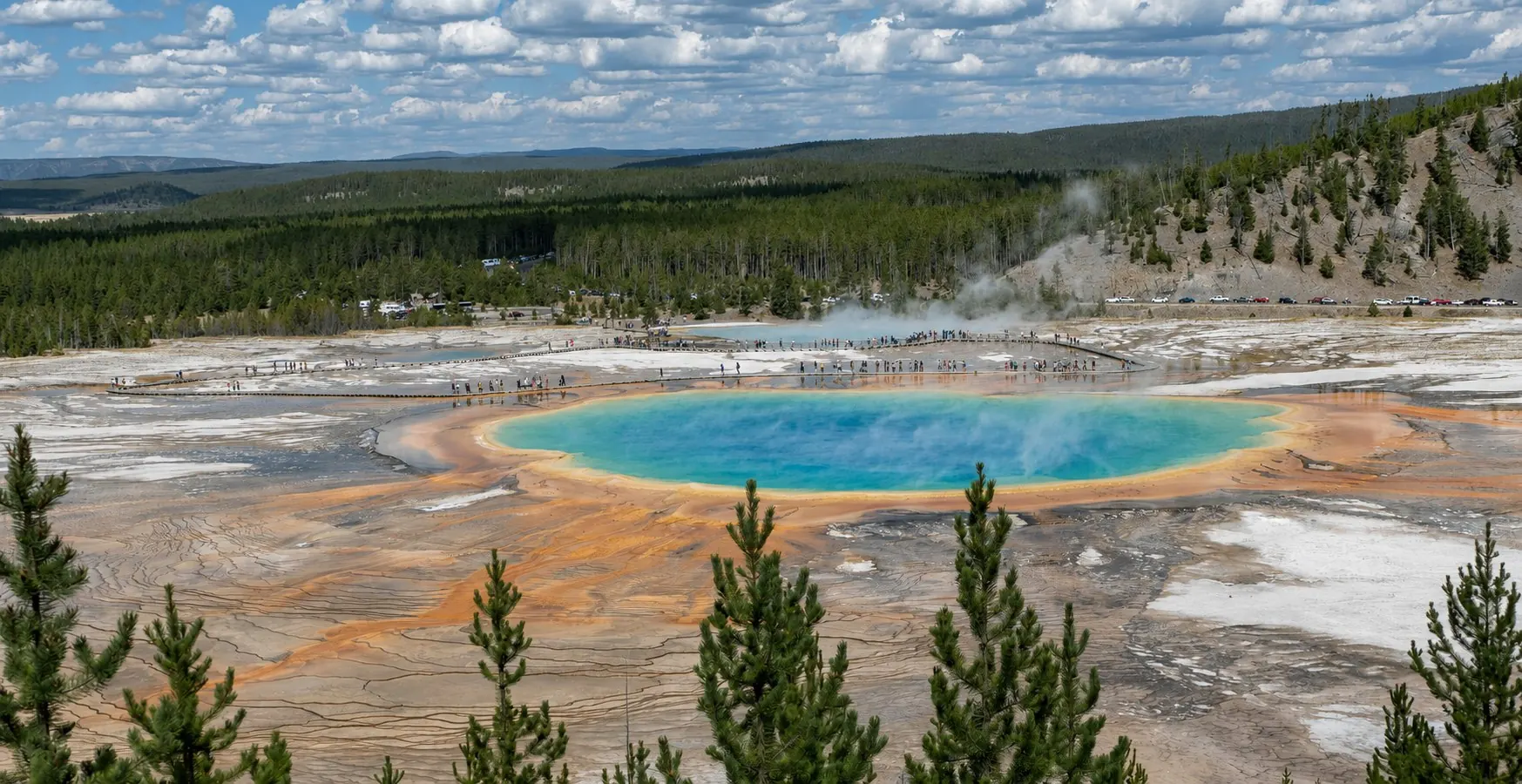
Yellowstone, Yosemite, and the Everglades offer very different kinds of nature immersion. Start with what you want time to notice: thermal landscapes, granite valleys, or wetlands. Choose the base, season, and route around that intention rather than treating the parks as interchangeable scenic stops.
A comfortable park trip depends on the practical connections: the right entrance, a suitable walk, time to rest, and a return journey you understand. Use the destination guides to identify the decisions that need resolving before the stay is booked.
Northern skies: leave room for the night and the next morning
Yellowknife brings a different rhythm to the gallery: northern-light viewing evenings and slow recovery mornings, or a summer trip built around long days and local life. Choose the season for the experience you actually want; a northern destination does not mean aurora on every visit.
For a viewing-focused trip, ask about pickup and return arrangements, warm indoor space, equipment, and weather changes. Plan daytime experiences that make the visit worthwhile even without a display. A planner can coordinate the opportunities, but cannot guarantee what the sky will do.
Lakeside days: choose the experience at the water
A lakeside trip can mean a shore walk, a guided outing, or simply a place where you want to linger. Yellowknife’s summer waterfront and Banff’s mountain lakes create different versions of that idea. Decide what you want to do at the water before choosing a stay that merely has a view.
Confirm the actual meeting point, equipment, activity suitability, and return plan with any operator. A photograph cannot tell you the water conditions or establish that an outing is available. Keep an attractive land-based alternative so the day still works when plans change.
Restful stays: decide how little structure you want
A quieter U.S. or Canada stay can be built around forest air, a comfortable room, short walks, or long mornings. Decide whether you want a scheduled program, an independent base, or a small number of optional activities. None of the destination photographs establishes that a pictured place offers a wellness program.
Ask what is included, which sessions are compulsory, and how much of the day is open. A wellness label is not proof of a health benefit. If the real need is sleep, quiet, and fewer decisions, a complex program may be more structure than you want.
Choose two styles, then test the actual journey
Shortlist two styles and compare one realistic destination for each against the same dates, full spending ceiling, travel party, and usable time. Verify transport, accommodation, and your essential experience together before committing. Stop reopening the choice when an option meets the brief unless a material fact changes.
Save the winning brief and define what should be handled for you. Independent booking, a curated plan, and concierge coordination are different ways to divide the work, not different definitions of a good trip.